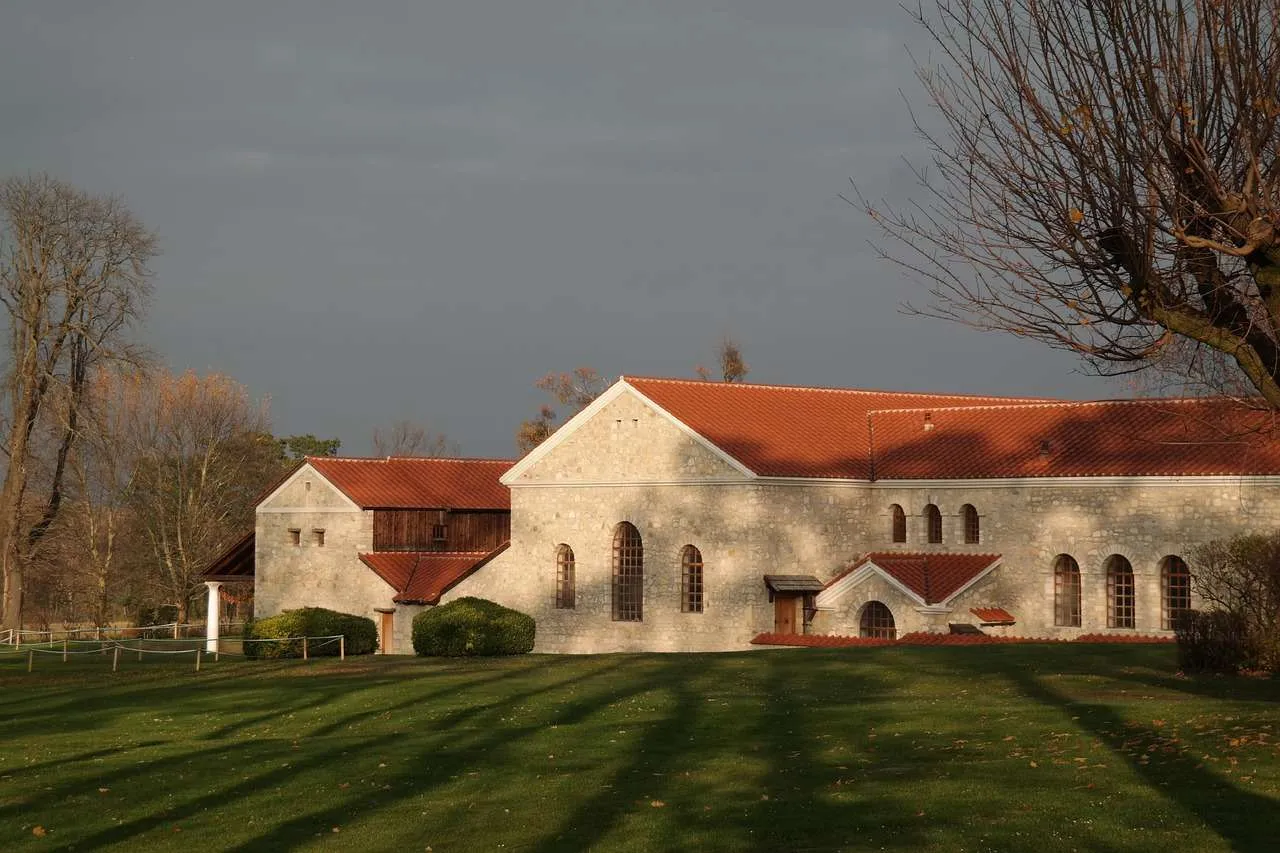
Repair of roofing is a crucial part of home maintenance. A small leak can lead to insulation damage, mold, and structural issues if neglected. This guide explains how to identify problems, choose repair methods, estimate costs, and decide when to hire professionals. It emphasizes safety, quality workmanship, and long-term durability to meet EEAT standards.
Understanding repair of roofing
Roof repairs protect the home from water intrusion and energy loss. A methodical approach starts with a thorough inspection from the attic to the roof edge, including underlayment, flashing, fasteners, and drainage. For older roofs or complex designs, professional assessment is essential to verify structural integrity and ventilation.
Signs your roof needs repair
- Visible leaks or water stains on ceilings after rain
- Missing, curled, or cracked shingles
- Granule loss in gutters or on the ground around downspouts
- Sagging sections or daylight visible in the attic
- Peeling paint in attic or mold growth following roof area
Repair options and best practices
Temporary patching for small leaks
For minor leaks, a temporary patch using roofing sealant or polyurethane caulk along flashing seams can stop water intrusion until a more durable fix is made. Ensure a dry surface and follow the product instructions; this is not a substitute for a full repair or replacement when extensive damage exists.
Repairing damaged shingles and flashing
Replace damaged shingles and reseal flashing around vents, chimneys, and skylights. Re-nail loose shingles, clean debris, and apply roofing cement at seams and nail heads. Pay attention to valleys and edges, where leaks tend to start.
When to replace or hire a professional for major issues
Extensive damage such as widespread leaks, compromised decking, or severe hail impact typically requires professional input. A roofer can assess structural integrity, replace sections, reseal flashings, and upgrade underlayment. They also ensure proper ventilation and condensation control in the attic.
DIY vs professional repairs: risk, cost, and outcomes
Do-it-yourself repairs can save money for simple tasks but carry safety risks and may void warranties. Local codes or insurance policies can require licensed contractors for certain repairs or replacements. For steep pitches, high roofs, or uncertain conditions, a licensed professional is usually the safer choice. A pro also provides documentation that supports warranty claims and future resale value.
Cost considerations and budgeting
Costs vary by region, roof size, materials, accessibility, and damage extent. Typical ranges include small patch repairs ($100–$300 for sealants and minor work), partial repairs ($500–$2,000), and more extensive professional repairs ($2,000–$6,000). Full replacement often falls in the $5,000–$15,000 range, depending on material (asphalt, metal, tile), roof pitch, and labor. Always obtain multiple quotes, request itemized estimates, and review warranty terms and insurance coverage.
Maintenance tips to extend roof life
- Schedule seasonal inspections, especially after severe weather
- Clean gutters and downspouts to maintain drainage
- Trim overhanging branches to limit damage and debris buildup
- Check attic ventilation and insulation to reduce condensation
Choosing a roofing contractor and contract basics
Find a contractor with valid licensing and comprehensive insurance. Check references, reviews, and prior projects similar in scope. Before work begins, insist on a written estimate, a clear scope of work, material specifications, a project timeline, payment schedule, and a lien waiver. Confirm warranties for both workmanship and materials.
Comparison of repair options
| Option | Pros | Cons | Typical cost |
|---|---|---|---|
| DIY small patch | Low cost, quick resolution | Temporary; safety risks; may not last | 0–100 |
| DIY shingle replacement (simple cases) | Potential savings | Requires skill; not suitable for steep roofs | 0–150 in materials |
| Partial professional repair | Addresses known faults; better durability | Labor costs | 500–2,000 |
| Full professional repair or maintenance | Thorough, includes warranty and inspection | Highest cost | 2,000–6,000+ |
Note: Costs are broad ranges and depend on location, roof type, and damage extent. Always seek itemized quotes and verify contractor warranties.
Conclusion
Conclusion, this guide offers expert guidance on the repair of roofing, from recognizing damage to selecting the right repair approach, prioritizing safety, and ensuring lasting results. With careful assessment, appropriate repair methods, and professional support when needed, homeowners can protect their homes and extend the life of their roof.
Summary: Regular roof inspections, prompt attention to leaks, choosing appropriate repair methods, and hiring qualified professionals when required are essential for durable, cost-effective repairs and long-term home value.